
How to Apply to a University in Turkey
Applying to a Turkish university is simple when you know the steps. Here is the whole process, from choosing a program to your residence permit, and how we handle it for you for free.
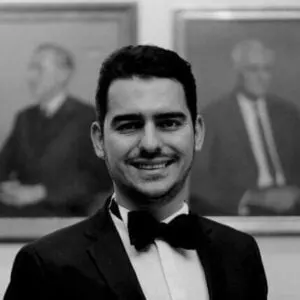
By Burak Ünal, Director of University Admissions · · Updated
Figures are typical values for the current academic year, checked against the official sources listed at the end. How we research and update our guides
On this page
Step 1: Choose universities and programs
Decide what you want to study and shortlist universities that fit your grades, budget and goals. State universities usually need an exam score (TR-YÖS, their own YÖS, SAT or recognised national results); many private universities admit on your high school grades. We recommend applying to about three options so you have strong choices.
Step 2: Prepare your documents
For the application itself, most universities ask for:
- Passport (photo page)
- High school diploma, or a provisional certificate if you have not graduated yet
- Transcript of grades
- A passport-size photo
- Exam results or a language certificate, where the program requires them
Step 3: Apply and get accepted
We submit your applications and follow up with the universities. Nearly 93% of our students receive admission within a month of applying with complete documents. Once admitted, you receive an acceptance letter, which you need for the student visa.
Step 4: Apply for your student visa
With your acceptance letter, apply for a student visa at the Turkish embassy or consulate in your country (an e-Visa is not valid for study). Nationals of visa-exempt countries can enter without one and apply for the residence permit within the exempt period. We prepare your file and tell you what your consulate needs.
Step 5: Register and get your residence permit
Bring the originals of your documents, with apostille or consular legalisation and sworn Turkish translations, and the high school equivalence certificate (denklik) if the university requires it. Then apply for your student residence permit on e-İkamet while your visa or exemption is still valid; your university sets its own deadline for the documents.
Intakes and deadlines
The main intake is in autumn. Private universities usually accept applications from January until their quotas fill, state universities have fixed windows in spring and summer, and some private universities also take students for a spring semester starting in January or February. See our application calendar for the month-by-month plan.
How to Apply to a University in Turkey: frequently asked questions
When should I apply to a university in Turkey?
Six to nine months before you want to start. For an autumn start, private universities usually open in January and state universities have spring and summer windows; popular programs such as medicine fill first.
What documents do I need to apply?
Usually your passport, high school diploma or provisional certificate, transcript, a photo, and any exam or language results the program requires. Originals, translations and the equivalence certificate come at registration.
Do I need an entrance exam like YÖS or SAT?
Most state universities do ask for TR-YÖS, their own YÖS, SAT or recognised national results; many private universities admit on high school grades. See our entrance exams guide.
How long does admission take?
Nearly 93% of our students receive admission within about one month of applying with complete documents.
Official sources
Rules, fees and quotas are set by these institutions and change every year. Check them, or ask us, before you rely on a figure.
Further reading
Related
Burak Ünal is the Director of University Admissions at Turquoise Education, where he is responsible for university admission processes for international students. Before Turquoise Education he worked at Oliver Wyman, the New York based management consulting firm, as a Financial Services Consultant, with consulting projects in Turkey, Italy and Greece and business development work across the Middle East, including the United Arab Emirates, Saudi Arabia and Lebanon. He holds a master's degree in finance from the London School of Economics and a bachelor's degree in management from Bogazici University.
Published · Last updated